TXST News
Texas State anthropologist Kate Spradley named a 2026 MacArthur Fellow for identifying the dead at the border
Dr. Kate Spradley, professor of anthropology at Texas State’s Forensic Anthropology Center (FACTS), is one of 20 people named 2026 fellows by the John D. and Catherine T. MacArthur Foundation — the award widely known as the “Genius Grant”.
The work being recognised
She was selected for founding and directing Operation Identification (OpID), a humanitarian initiative that identifies and repatriates unidentified human remains found along or near the Texas border, through community outreach, scientific analysis, and work with government and non-governmental organisations.
According to the university, from 2012 the number of people attempting to enter the United States across the difficult terrain at the Texas border rose, bringing a spike in deaths that border counties were under-resourced to investigate. Many unidentified people were buried without investigation or DNA sampling.
OpID was built to do that work: partnering with county officials and landowners to exhume, analyse, identify, and return people to their families.
The science few people notice
The most significant technical point: most earlier reference data for analysing skeletal remains was based on people of European and African ancestry. Dr. Spradley built one of the first population-specific sets of reference data and classification criteria for remains of Latin American origin.
That lets the team estimate sex and geographic origin more accurately — and so know which countries and missing-persons databases to search for relatives. The team also trained with the FBI in recovering fingerprints from decomposed remains.
Through the Forensic Border Coalition, she and partners worked with the FBI to create the first cross-border humanitarian DNA database, where families searching for loved ones can submit samples for comparison with recovered remains.
“We all have human rights in life and death, and everyone deserves the dignity of identification and repatriation.”
KATE SPRADLEYThe prize goes to the person, not the university
The MacArthur fellowship is paid directly to the individual, who may spend the $800,000 however they choose. No proposal, no reports. That sets it apart from every research grant we have written about on this site.
And Dr. Spradley said plainly something announcements rarely keep in:
“This funding could not have come at a better time as our major funding source, a grant from the Bureau of Justice Assistance, is wrapping up this month. As I just learned about this recently, I don’t have exact financial plans. However, it will keep Operation Identification moving forward and give me the time to work towards improving the medico-legal system in rural counties without a medical examiner.”
KATE SPRADLEYIf forensic anthropology interests you
According to the university, Dr. Spradley trains students across the full range of forensic anthropology tools, as well as in building coalitions with domestic and international partners. FACTS is the centre where she works.
Honestly about the field: it means working with human remains, often in hard field conditions and alongside stories of very heavy loss. It is not for everyone — and the people who do it well, as this story shows, do things no one else does.
See also: research at Texas State · the programme list.
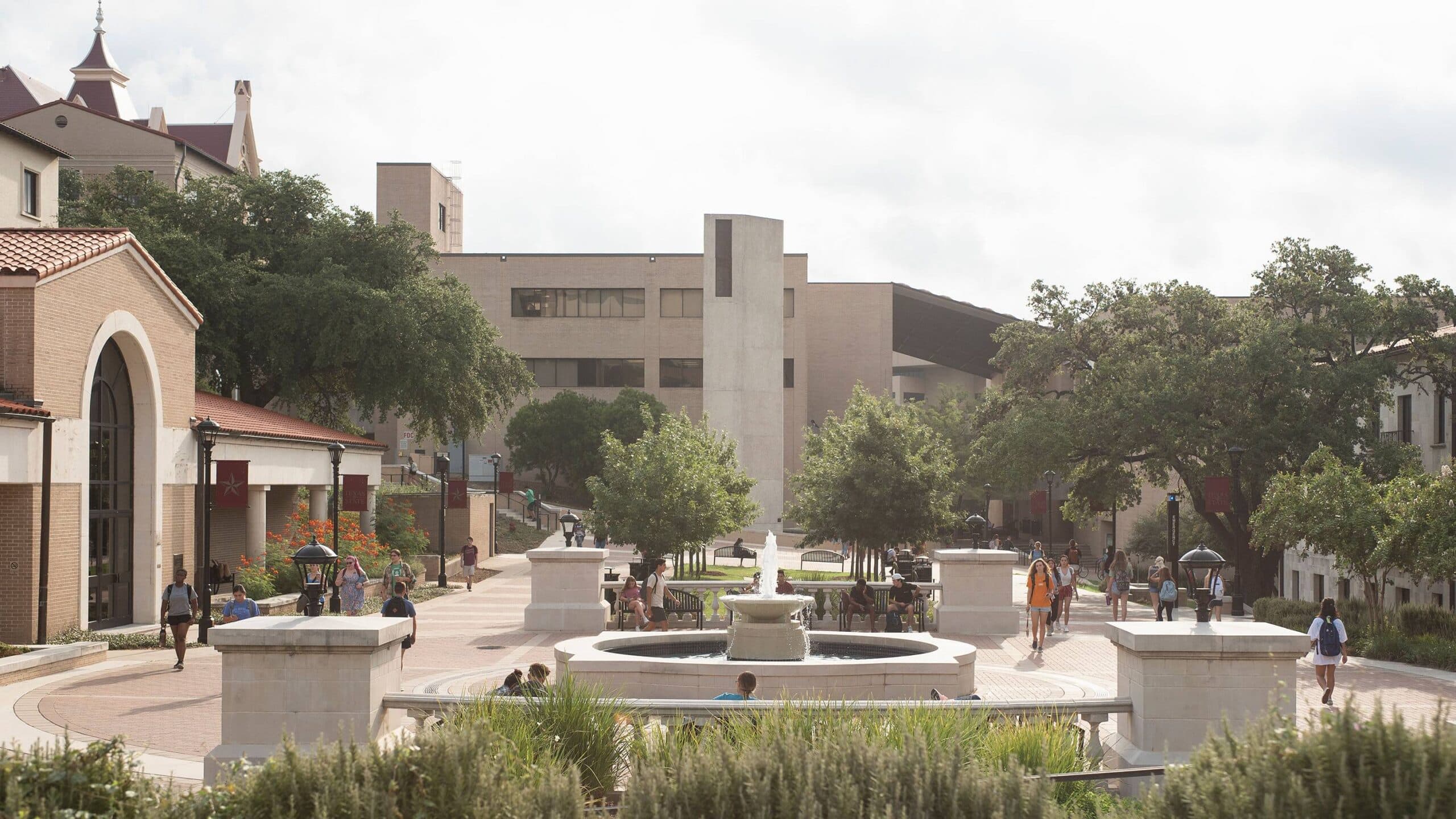
Source: TXST anthropologist Kate Spradley named MacArthur Foundation ‘Genius Grant’ recipient for 2026, news.txst.edu, 29 September 2026 (all details, figures and quotations). The portrait in the original is copyright the MacArthur Foundation and is not reproduced; the cover is a Texas State campus photograph.
Interested in the social sciences and anthropology?
Texas State’s programme list covers anthropology at bachelor’s and graduate level.
See the programme list