TXST News
Why females and males age differently — Texas State looks for the answer with fish and genomics
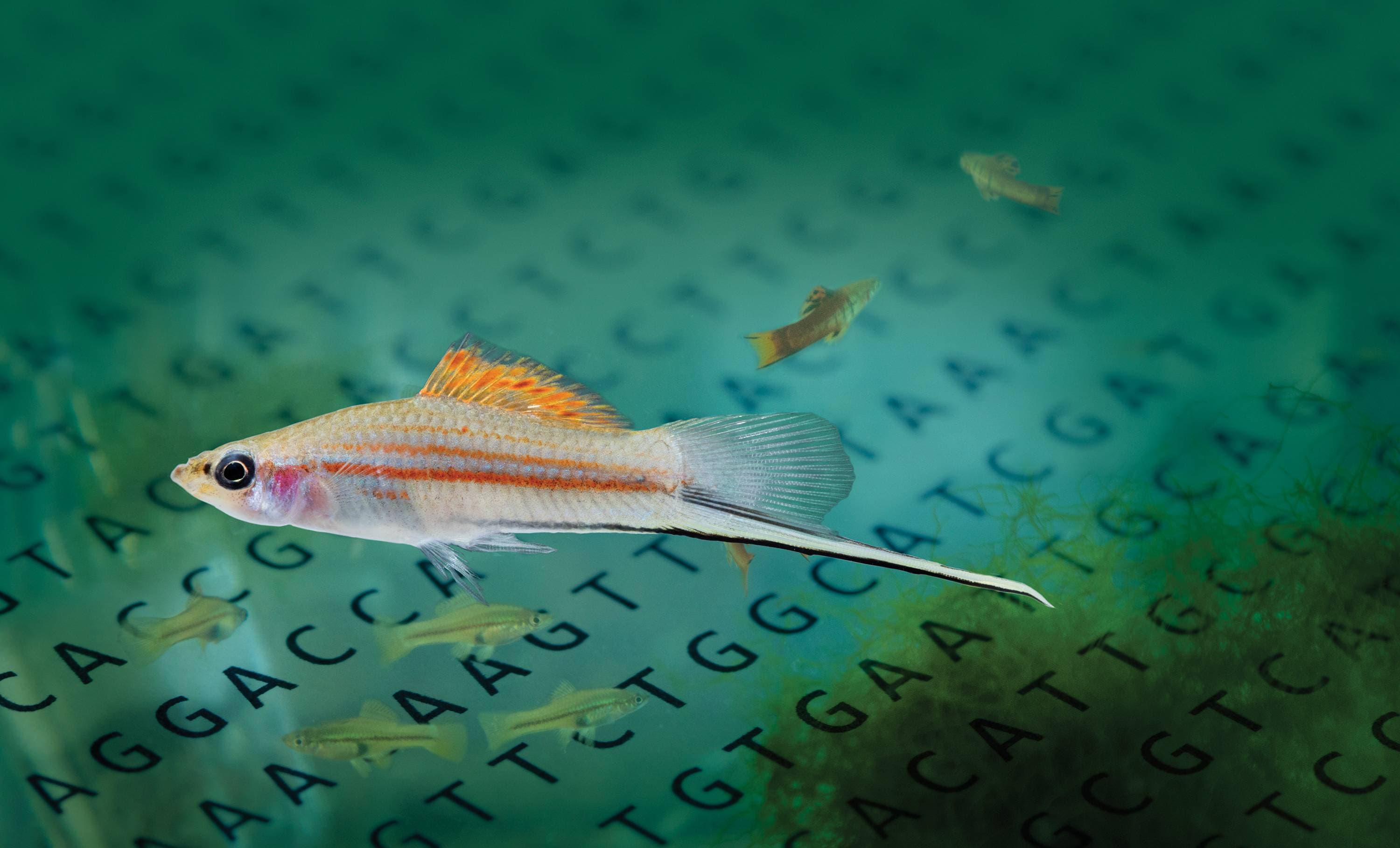
In humans, women generally outlive men — yet those extra years often come with more age-related disease. In other species the gap can narrow, vanish or even reverse. Why? Dr. Peggy Biga at Texas State is looking for the answer with fish and genomics.
Living longer is not the same as staying healthy longer
Researchers call it the healthspan–lifespan gap: the years a person lives, against the years they live in good health. The two do not move together, and they diverge differently for women and men.
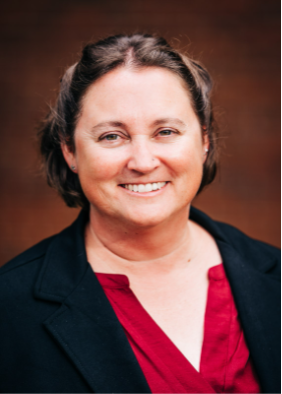
Dr. Biga is professor and chair of Texas State’s Department of Biology. She is part of a National Science Foundation–funded effort called IISAGE — the Integration Initiative: Sex, Aging, Genomics, and Evolution — which tracks sex-specific aging across the animal kingdom.
The key point: IISAGE builds foundational knowledge of the biological mechanisms behind aging, not research on specific diseases.
Where the fish come in
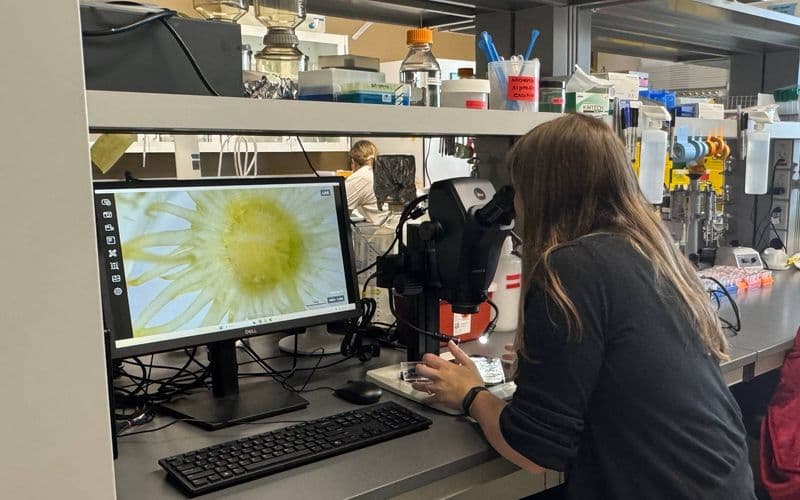
At Texas State, Dr. Biga’s team — doctoral students Ireen Lin and Abby Quimby and technician Yoli Lemus Saldivar — studies young and old female and male fish. They examine how genetic makeup, physical sex traits and environment each influence aging.
Pulling those factors apart helps identify which biological processes are most closely tied to differences in lifespan and healthspan.
So a lab in San Marcos is supplying one piece of a national puzzle that many universities are solving together — and the doctoral students on the team work inside that network.
And a workshop in 2027
Dr. Biga has separate NSF support for a Genomics and Epigenomics of Aging workshop at the 34th International Plant and Animal Genome Conference in 2027. It will bring together researchers and trainees across aging, genomics, epigenomics and agricultural science to share findings and seed new collaborations.
“Ultimately, this research will generate foundational knowledge with broad implications for human health, conservation, and agriculture, while providing valuable datasets, training opportunities, and collaborative resources that benefit the broader scientific community.”
PEGGY BIGAHow to read this
For anyone considering biology: this is a concrete picture of how a doctoral student works within a large project — genomic data, machine learning, and collaboration across institutions. Biology now needs programming as much as it needs a lab bench.
See also: another Department of Biology project, on microbial partnerships · graduate admissions · research at Texas State.
Source: TXST researcher explores why females and males age differently, news.txst.edu, 24 September 2026 (project description, IISAGE, team, 2027 workshop, quotation, photographs). The announcement gives no IISAGE funding figure, so neither do we.
Interested in graduate study in biology?
See entry requirements and application deadlines for master’s and doctoral programmes.
Graduate admissions