TXST News
Twenty years of tracking a snake found only in Texas — and the move from documenting its decline to reversing it
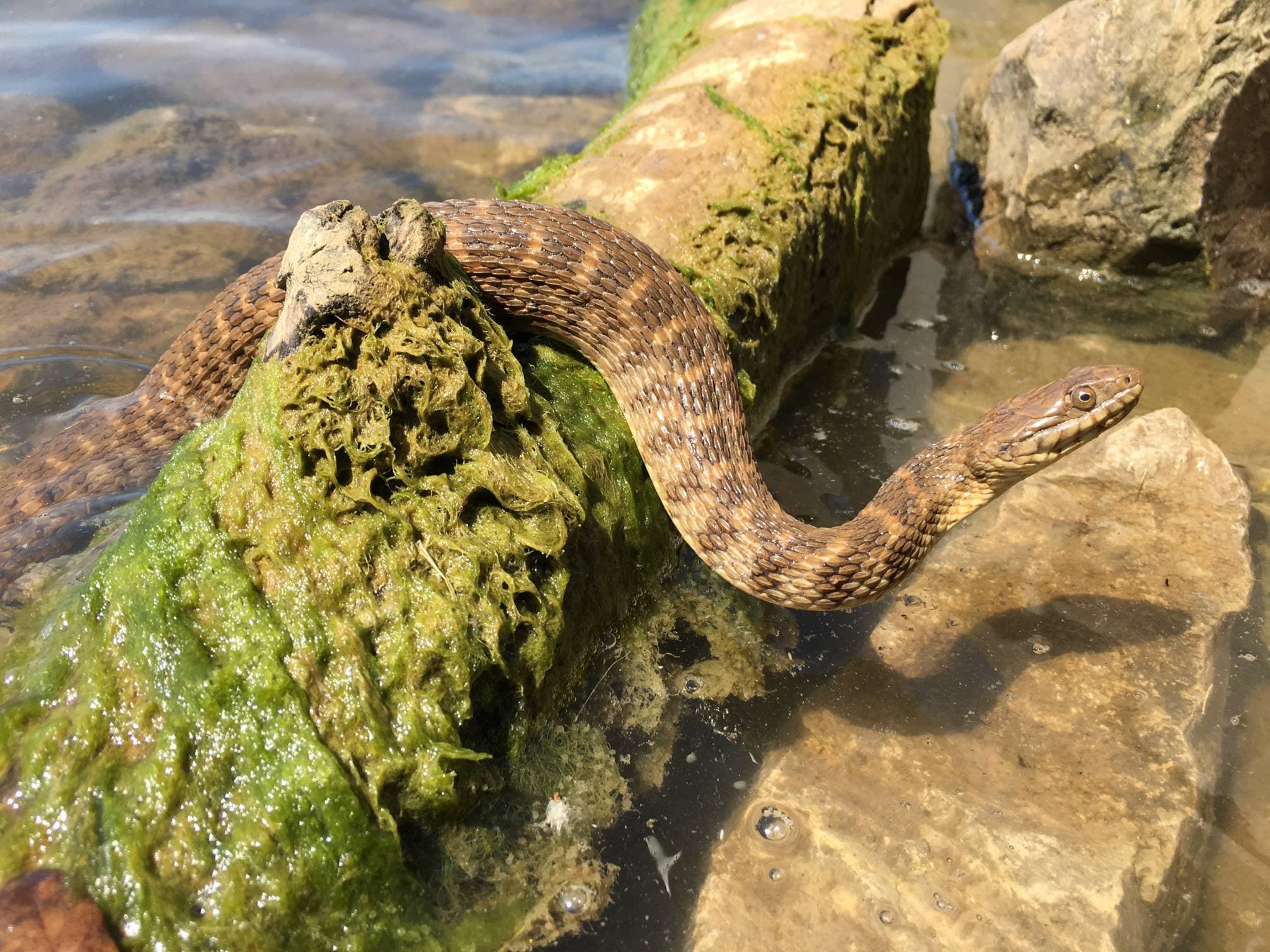
The Brazos water snake lives in only a small part of Texas. For nearly twenty years a Texas State team has documented its decline. Now they are taking the next step: breeding it and putting it back.
Why this species is hard to hold on to
The snake’s range is small, so changes to rivers, reservoirs and shorelines can affect much of the species’ habitat at once. That habitat is shrinking and breaking into small, disconnected pieces. Drought, falling numbers, the loss of local populations and disease all add pressure.
One finding makes it harder: the team’s work shows that populations in different places differ genetically. Losing one local population means losing part of the species’ genetic diversity — one site cannot simply stand in for another.
From documenting to acting
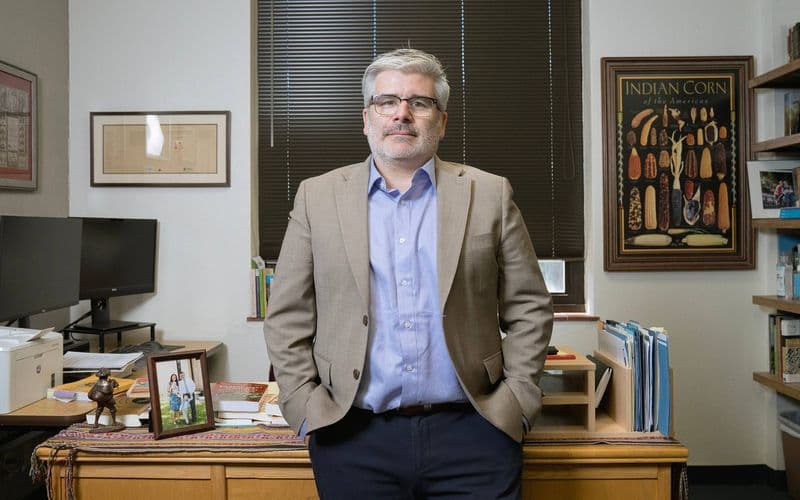
The project is led by Dr. David Rodriguez, professor of biology at Texas State, with a grant from Texas Parks and Wildlife Department. It builds on nearly two decades of work by him, students, technicians, postdoctoral researchers, faculty and conservation partners, who since 2006 have documented the species’ populations, habitat, genetics and disease.
“Receiving this support is especially meaningful because it allows us to move from documenting declines and disease to testing a direct conservation response.”
DAVID RODRIGUEZHow it works:
- The Houston Zoo keeps a protected breeding population drawn from four areas — a source of healthy, genetically diverse young for release.
- Genetic testing and health checks select breeding pairs and screen for disease.
- Release sites are chosen for suitable habitat, nearby populations and connections between them, allowing for human disturbance.
- Monitoring every spring and autumn: survival, movement, habitat use, reproduction, and whether released snakes establish populations.
The Texas Comptroller of Public Accounts and the Brazos River Authority are also contributing expertise.
The co-lead is a postdoctoral researcher
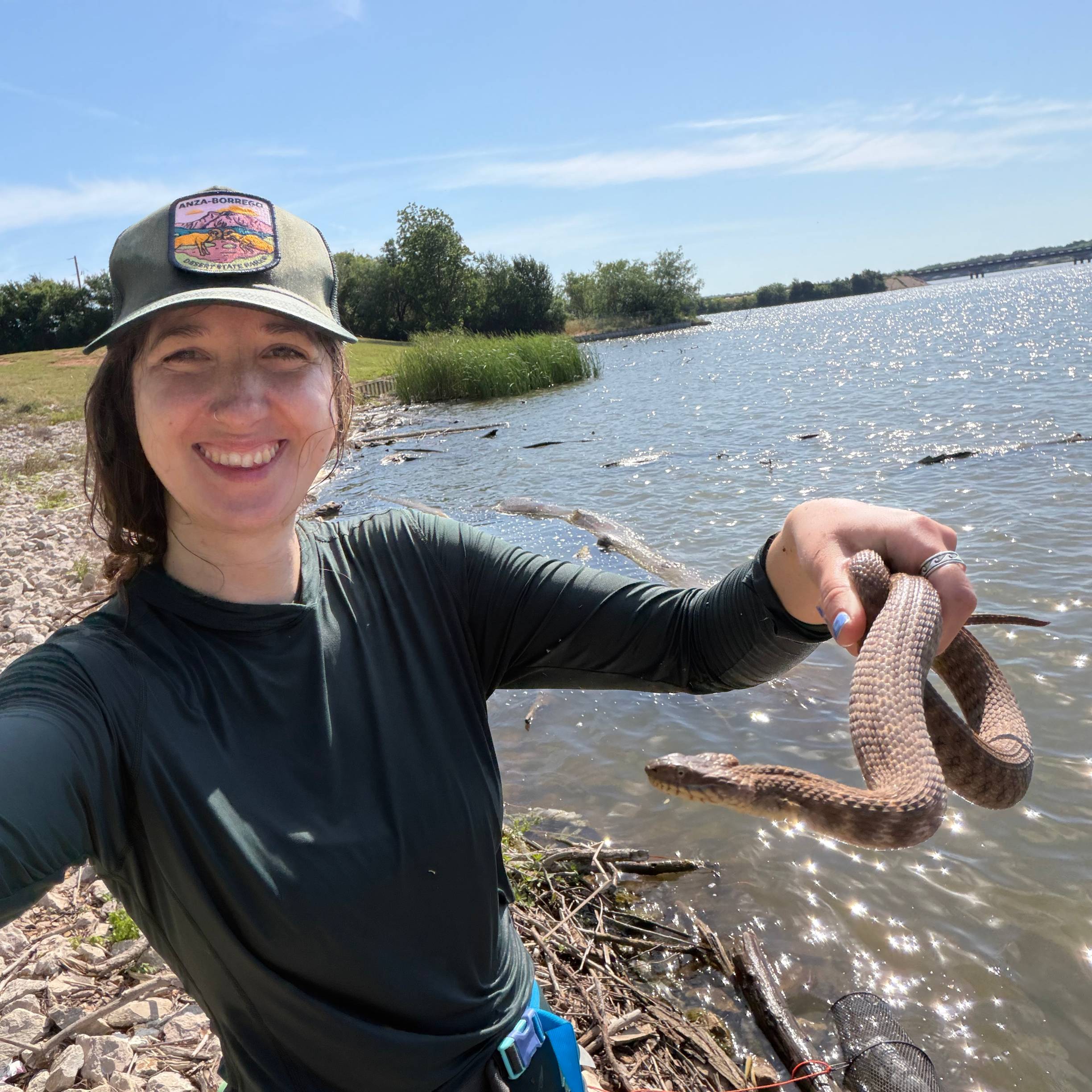
A detail worth noting if you are weighing a research path: the project’s co-lead is Dr. Analisa Shields-Estrada, a postdoctoral researcher — not a long-tenured professor.
“We have spent the last three years sampling, tagging, and tracking snakes across over a dozen candidate release sites. Every spring and fall we assess the snakes for signs of disease, conduct habitat assessments, and run tests to examine genetic diversity and disease prevalence.”
ANALISA SHIELDS-ESTRADAAccording to the announcement, the project will train people in disease ecology, molecular genetics, conservation and pathogen detection — skills used in wildlife work, agriculture and human health.
No single formula for every species
“The long-term value of this project is that it will replace a one-size-fits-all approach with a tested, data-driven framework for recovery.”
DAVID RODRIGUEZThe results will guide later releases and could become a model for conserving threatened reptiles, amphibians and fish with small, fragmented populations.
Texas State sits on a spring-fed river that is home to species found nowhere else — conservation research here is not a distant subject. See also: research at Texas State, the programme list.
Source: TXST researchers lead conservation efforts for Brazos water snake, news.txst.edu, 21 September 2026 (all project details, figures, quotations and photographs). Cover photo: David Rodriguez. The remarks on the nature of field research are ours.
Interested in biology, environment or conservation?
Texas State’s programme list covers biology and environmental science at every level.
See the programme list