TXST News
A $2.1 million NIH award for one question: why does a microbe that helps one individual fail another
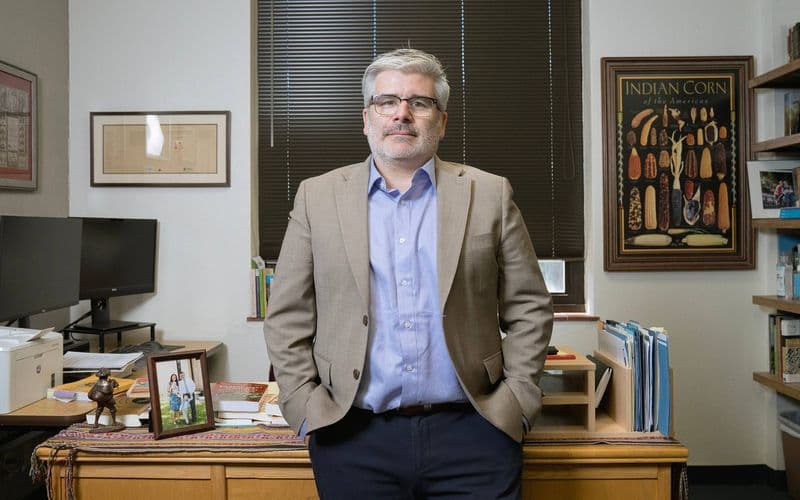
A microbe that helps one individual may do nothing for the next. Dr. Lauren Fuess, associate professor in Texas State’s Department of Biology, has a five-year award from the National Institutes of Health to find out why.
One simple question at the centre
“At the center of this research is a simple question: if a microbial partner benefits one individual, will it benefit another? We want to understand how the genetics of both partners and the environment shape the answer.”
LAUREN FUESS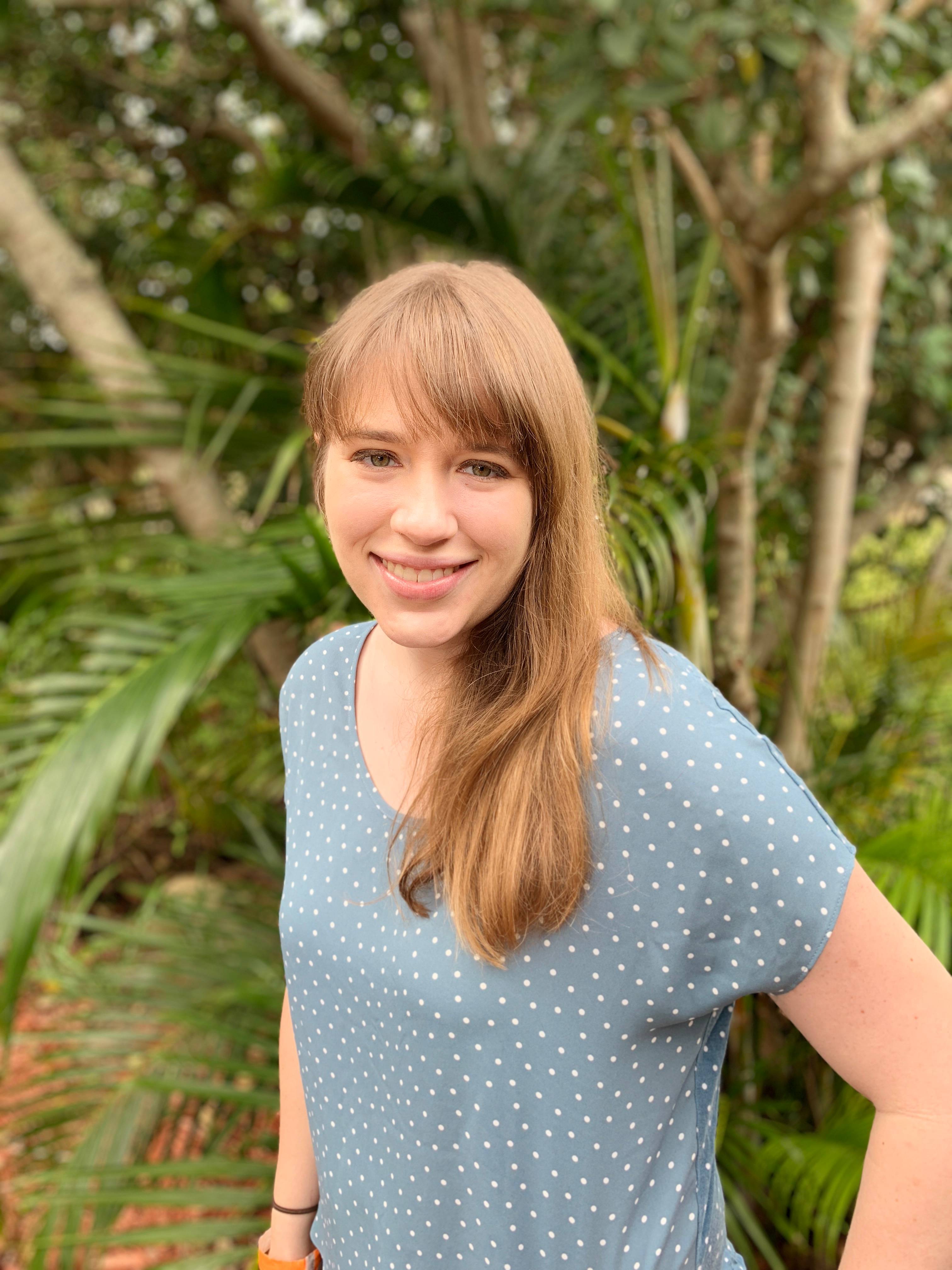
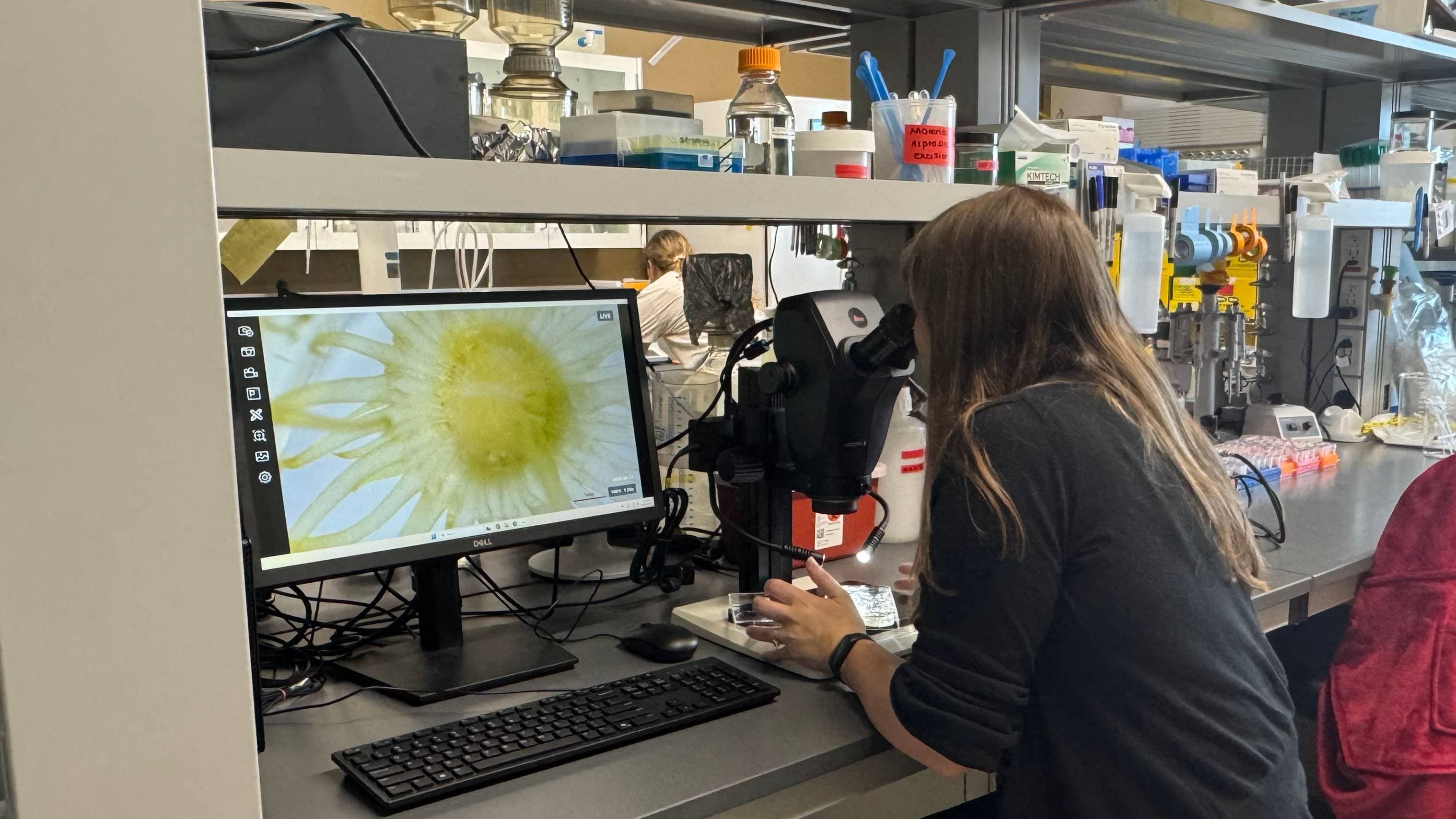
The team works with Aiptasia, a small sea anemone, and the single-celled algae that live in partnership with it. Two reasons for the choice: it is related to corals, and it shares key immune features with mammals. That lets one project speak to two things that look unrelated — reef conservation and human health.
The heart of the design is hundreds of genetically identical Aiptasia clones. With the host held constant, the team can swap one algal partner or one environmental condition at a time and see what that single change does.
Why a sea anemone has anything to do with probiotics
People are already trying to reshape the human microbiome — through diet, probiotics, and treatments that introduce new microbes into the gut. The results vary enormously from one person to the next.
“A bacterium identified as beneficial may not benefit every patient. Its effects may depend on interactions between the patient’s genome and the bacterium.”
LAUREN FUESSCoral reefs face the same problem. Corals depend on algae for nutrients; high temperatures break that relationship and cause bleaching. Scientists are trying heat-tolerant algae to help reefs recover — but an algal partner that helps one coral species may not help another, or may behave differently as conditions shift.
The figures, checked against the NIH database
The university reports $2.1 million over five years. We checked NIH RePORTER, the NIH’s public database of every award it makes:
| Item | Per NIH RePORTER |
|---|---|
| Project number | 1R35GM166059-01 |
| Funding institute | National Institute of General Medical Sciences (NIGMS), NIH |
| Mechanism | R35 — Maximizing Investigators’ Research Award (MIRA) |
| Period | 1 August 2026 – 30 April 2031 |
| Fiscal year 2026 award | $401,250 |
The $2.1 million is the five-year total the university announced; the NIH database currently shows the first year, because awards of this kind are paid out year by year.
What sets a MIRA apart, in the announcement’s own terms, is stability and flexibility: room to follow new questions as they arise rather than being bound to a fixed plan set at the start.
Why a prospective biology PhD should read this
A US doctorate typically takes around five years. This award runs from August 2026 to April 2031. Those two spans nearly coincide — which is the most important question to ask a prospective advisor, and one few applicants dare to ask: how long is the lab funded.
The announcement is explicit about who does the work: TXST students and early-career researchers will run experiments and decode genomic data using bioinformatics and AI tools. A biology doctoral student here needs bench skills and programming both.
Plainly, though: a large award does not mean a place is waiting for you. What to do:
- Ask the faculty member directly how long the lab can pay research assistants, and from which award.
- Search NIH RePORTER and NSF Award Search for the faculty member’s name before you write. Both are public and free, and show who is funded, for what, and until when.
- Write about something specific you can do — “I have processed sequencing data in Python” lands harder than “I am passionate about biology”.
- Learn to code before you arrive, if you have not. In modern biology it is no longer a side skill.
See also: graduate admissions, the programme list, research at Texas State.
Sources: TXST biologist receives $2 million NIH award to study animal-microbe partnerships, news.txst.edu, 18 September 2026 (quotations, project description, total award) · NIH RePORTER, project 1R35GM166059-01 (number, institute, period, first-year award). The advice on choosing an advisor is ours, not the university’s.
Weighing a PhD or master’s in the United States?
Our graduate admissions page sets out entry requirements, deadlines and how applications are assessed.
Graduate admissions