TXST News
How U.S. University Study Differs: Office Hours, GPA, the Syllabus and 7 Skills to Avoid Academic Shock
Many strong students are surprised by low grades in their first U.S. semester — not because they're weak, but because the rules are different. Understanding the American academic system from day one keeps your GPA high and lets you use everything Texas State University offers.
The syllabus is the course contract
On day one of each course the professor hands out a syllabus: schedule, readings, deadlines, grading. Your final grade is split — homework 20%, quizzes 15%, group project 20%, midterm 20%, final 25%… Grades accumulate all semester; there is no “cram one week for one exam”. Late work is penalized or refused.
GPA and credits
- 4.0 scale: A = 4, B = 3, C = 2, D = 1, F = 0. GPA is the credit-weighted average.
- F-1 students must study full-time: at least 12 credits per semester (undergraduate) or 9 (graduate) — usually 4–5 courses.
- Keep GPA ≥ 2.0 to avoid academic probation; many scholarships require ≥ 3.0.
Office hours — your secret weapon
Every professor holds weekly office hours. American students use them to ask questions, get advice and build relationships (later: recommendation letters, research assistant jobs). Asian students are often shy — go from week two with specific questions.
Discussion and teamwork
Participation grades are real. Read before class and speak at least once per session. Group projects are common — claim a clear task and coordinate via Google Docs/Teams.
Plagiarism — the red line
Copying text without citation, reusing old papers, or having AI write for you when not allowed is treated seriously, up to suspension. Learn citation (APA/MLA) at the Writing Center; Turnitin checks every submission.
Free support services at TXST
- Writing Center: one-on-one essay feedback.
- SLAC (Student Learning Assistance Center): free tutoring in Math, Science, Economics…
- Supplemental Instruction: extra review sessions for high-failure courses.
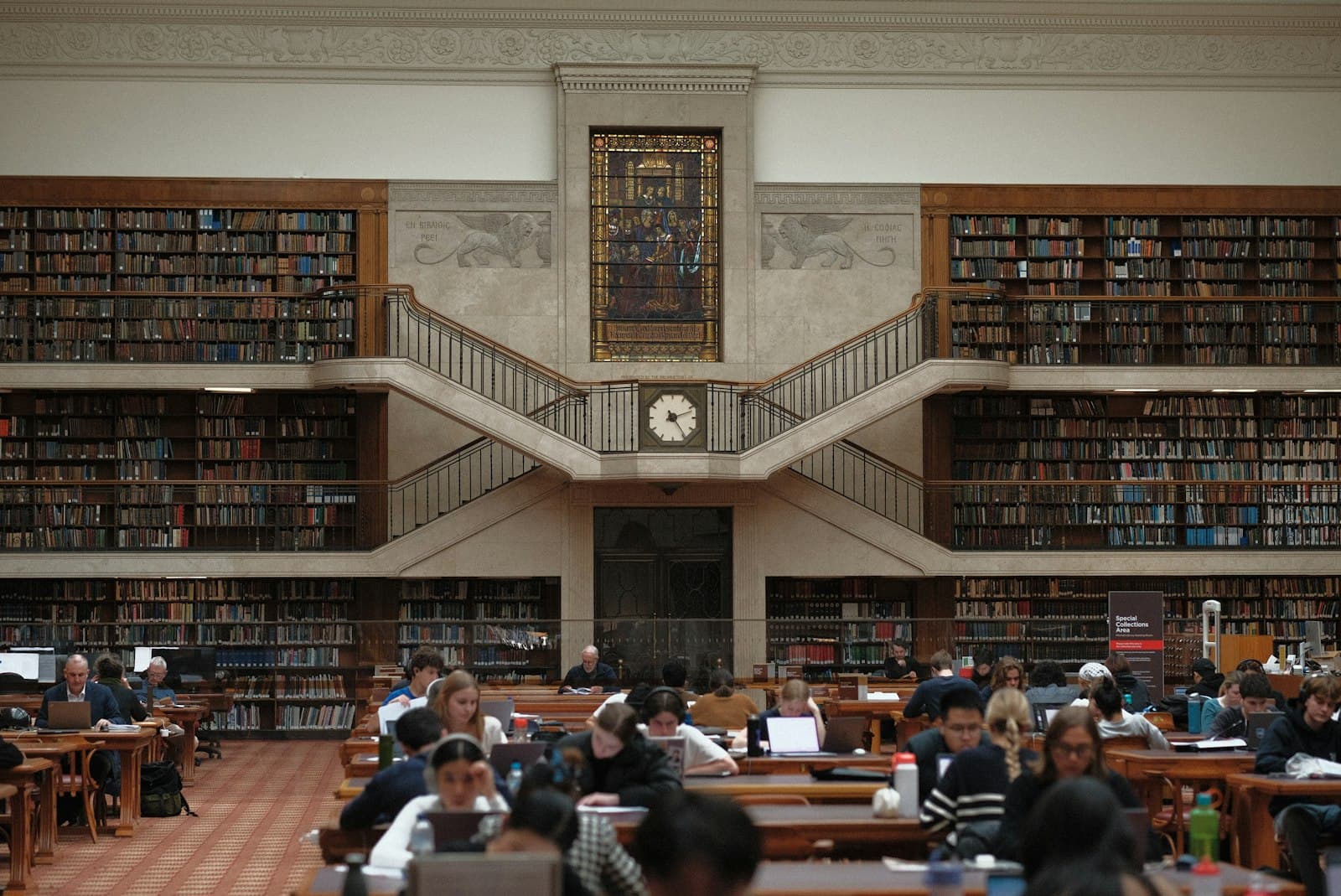
- Alkek Library: nearly 24/7 at exam time, group rooms, computers, laptop loans.
- Academic advisor: meet each semester to stay on a four-year graduation path.
Seven skills to practice before you go
- Fast reading of academic English (50–100 pages per course per week is normal).
- Structured essay writing with cited sources.
- A 5–10 minute presentation in English.
- Time management with a calendar — every deadline from the syllabus goes in immediately.
- Proper emails to professors (clear subject, “Professor/Dr.”).
- Using Canvas/LMS to submit work and check grades.
- Asking when you don't understand — “Could you explain that again?” is perfectly normal in the U.S.
The Vietnam Office runs a pre-departure academic orientation for TXST students — sign up.