TXST News
PROVES-Maia: Texas State’s first satellite goes to space, built by students who will command it
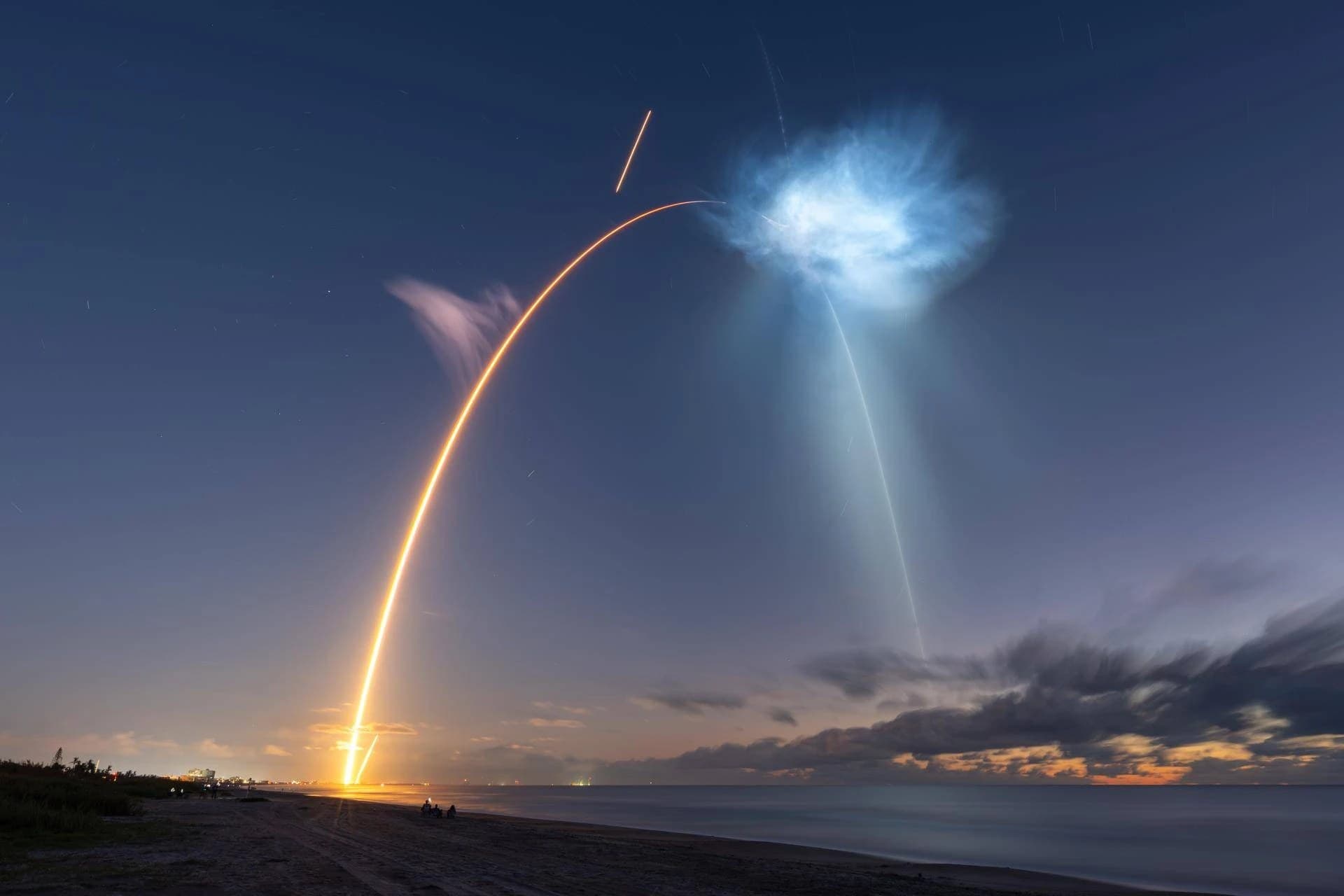
On 13 October 2026 Texas State launched PROVES-Maia — the first satellite the university owns and operates. Maia flew on a SpaceX Falcon 9 as part of NASA’s CRS-35 resupply mission to the International Space Station. Students built it, tested it, and will command it.
Students from circuit board to flight code
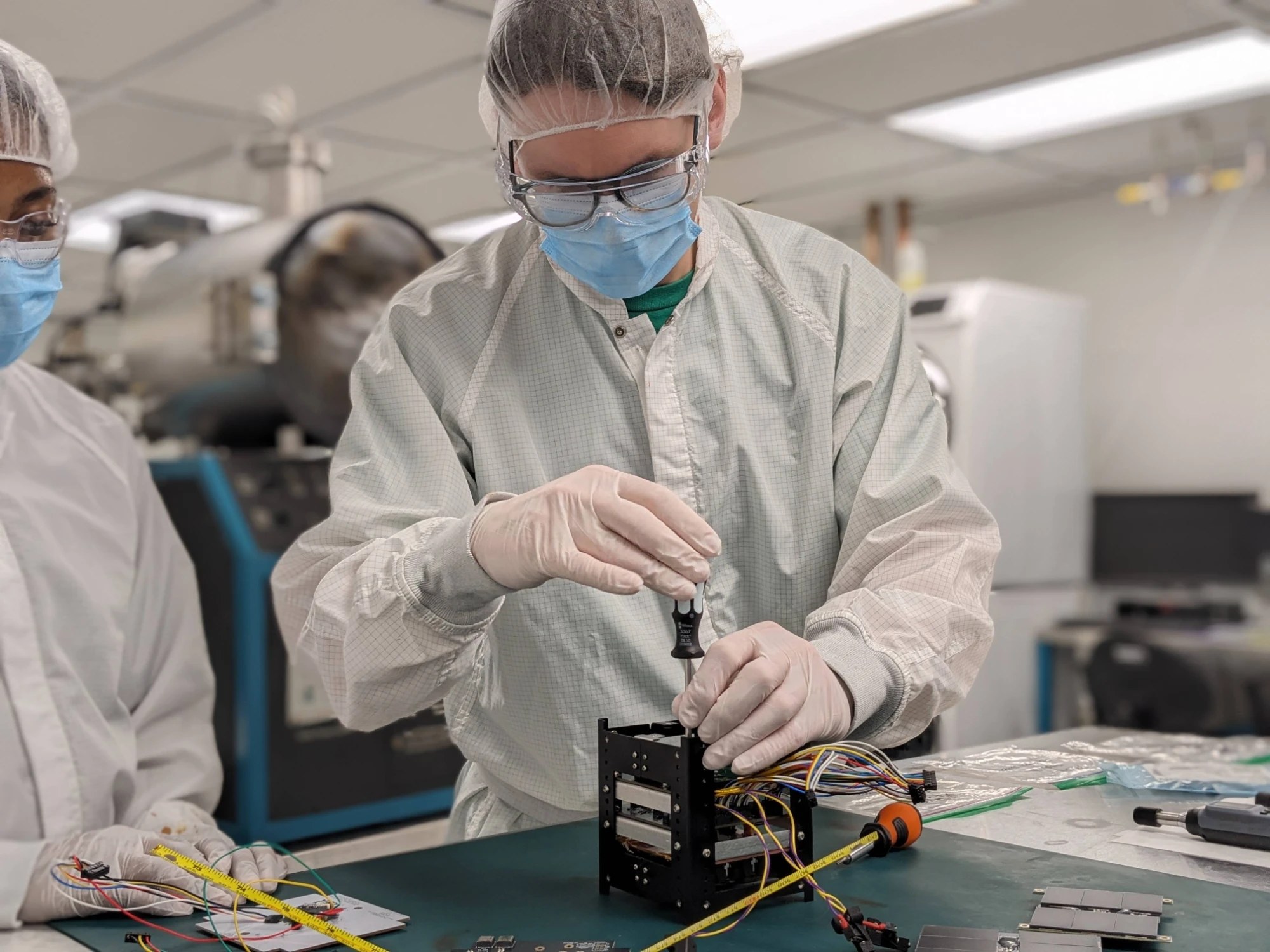
Maia was built and tested by the TXST Space Lab, a research lab in the Department of Physics founded in 2023. Students work with faculty across the whole mission lifecycle — circuit boards, flight software, launch-day operations — and the lab runs its own ground station in San Marcos.
The core team includes a mathematics student leading software, an electrical engineering student on the software team, a mechanical engineering student, a student of mathematics, physics and computer science working on mission modelling, and a physics alumnus. Many other students contributed.
“The mission wouldn’t be possible without the diversity of skills and expertise students brought to the project. Maia is also a stepping stone for TXST. Once we finish this mission, what’s stopping us from doing another?”
EVAN JELLISON, TXST SPACE LAB COORDINATOR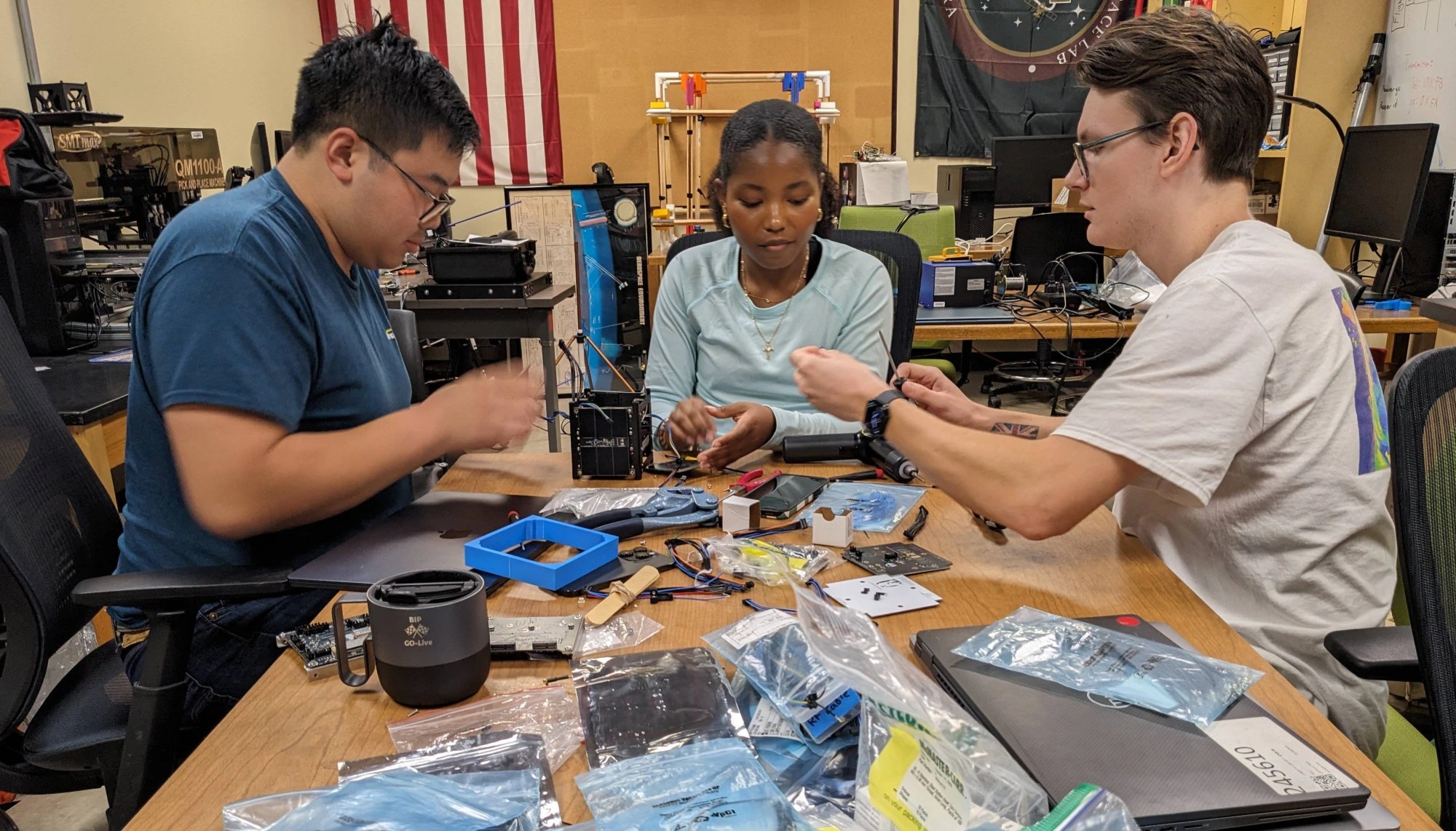
What Maia carries
The satellite carries MOSAIC, a TXST-developed system that lets students test different instruments and spacecraft components. MOSAIC includes a TXST-designed radiation sensor to measure radiation in low Earth orbit.
“Maia is the first time TXST has run a mission of its own. Our students build it, test it, and then command it from our own ground station once it’s in orbit. Once a university can do that, an idea sketched on a whiteboard in San Marcos has a real path to orbit.”
BLAGOY RANGELOV, PRINCIPAL INVESTIGATOR, TXST SPACE LAB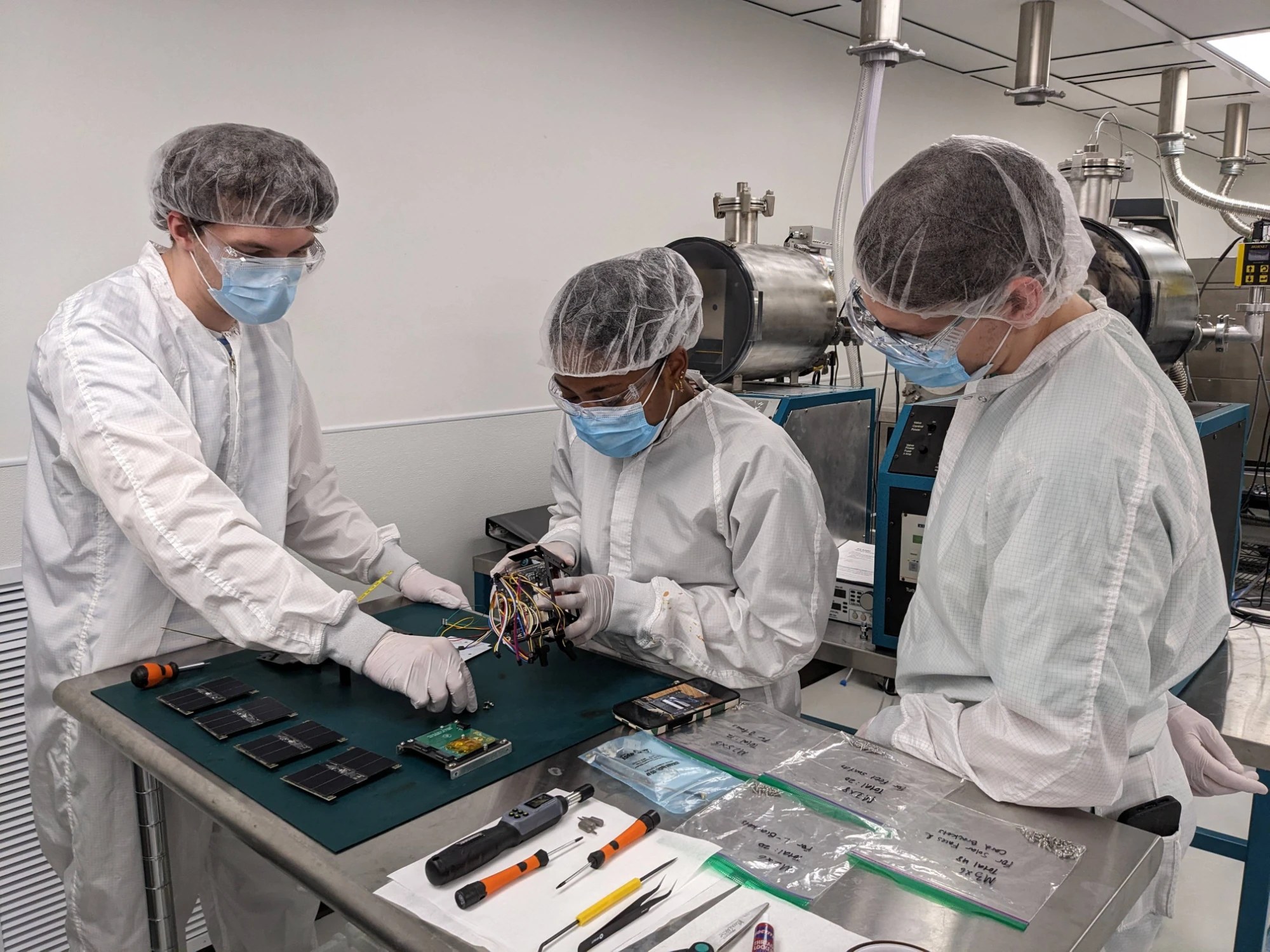
How to read this
- The mission has not started. Maia has gone to the ISS and stays there until it is released into its own orbit. Only then does the team make contact. There is no data yet.
- “First” means the first satellite the university owns. The Space Lab had already contributed flight software and assembly to satellites in orbit through the PROVES Five collaboration.
- Nobody on the team studies “space”. They study physics, maths, engineering and computer science — the most useful point for anyone choosing a degree.
See also: the programme list · research at Texas State.
Source: TXST’s first-ever satellite launches into space, news.txst.edu, 13 October 2026 (all details, quotations and photographs). Cover: the CRS-35 launch, as in the original. The advice on what to ask the lab is ours.
Interested in physics, engineering or computer science?
See Texas State’s bachelor’s and graduate programmes.
See the programme list